

Beautiful, strong hair doesn’t start at the ends — it starts at the root. If your hair is feeling thin, brittle, or slow to grow, the problem often lies beneath the surface with undernourished or clogged follicles. Healthy follicles are the foundation for every strand, determining its strength, texture, and growth potential. In this post, we’ll explore how to truly nourish your roots from the inside out and the outside in, from scalp care and essential nutrients to daily habits that can revive dormant follicles and unlock stronger, fuller, and more vibrant growth.
1. Understanding Your Hair Follicle: The Root of All Growth
Think of your hair follicle as a tiny, complex factory nestled beneath the surface of your scalp. This small, tunnel-like structure is where every single strand of hair begins its life, and its health directly determines the strength, thickness, and vitality of the hair that grows from it. At the very base of the follicle lies the bulb, which houses the dermal papilla — a cluster of cells responsible for supplying blood and nutrients to fuel growth. Surrounding it are stem cells that work constantly to build new hair cells, pushing older cells upward to form the visible strand.
When follicles are well-nourished and unclogged, this growth cycle runs smoothly, producing strong, resilient hair. But when they become blocked by excess oil, product buildup, or dead skin, or when they are deprived of essential vitamins, circulation, and hydration, growth can slow, strands can weaken, and shedding can increase. Understanding this root system is the first step to healthier hair, because what happens below the scalp dictates everything you see above it.
2. The Hair Growth Cycle Explained: Anagen, Catagen, and Telogen
Understanding how your hair grows is the key to understanding how to care for it properly. Hair doesn’t just grow continuously and fall out randomly — it follows a structured, three-phase cycle, and each strand on your head is at a different stage at any given time.
The first and longest phase is anagen, often called the growth phase. This is when the cells in your hair root are actively dividing, pushing the hair shaft up and out of the follicle. This phase can last anywhere from two to seven years, and its length largely determines how long your hair can grow. The longer your hair stays in anagen, the longer it gets. Genetics, age, nutrition, and overall follicle health all play a role in how long this phase lasts.
Next comes catagen, a short transitional phase that lasts only about two to three weeks. During this time, hair growth stops, the follicle shrinks, and the hair detaches from its blood supply. Think of it as a reset period where the follicle prepares for renewal. Only about 1 to 3 percent of your hairs are in this stage at once, so you rarely notice it happening.
The final stage is telogen, the resting and shedding phase. For around three months, the old hair rests in the follicle while a new hair begins to form underneath. Eventually, the old hair is shed — which is why it’s completely normal to lose 50 to 100 hairs a day — and the cycle starts again with a new anagen phase. When this cycle is disrupted by stress, hormonal changes, poor nutrition, or scalp inflammation, more hairs can enter telogen prematurely, leading to noticeable thinning and shedding. Nourishing your follicles helps keep more hairs in the anagen phase for longer, which is the foundation for thicker, stronger, and healthier growth.
3. Signs of an Unhealthy Scalp and Struggling Follicles
Your scalp is constantly communicating with you, and learning to read the signs can help you catch follicle distress early before it leads to thinning or breakage. One of the most common red flags is persistent flaking or itching, which often points to product buildup, excess oil, or an imbalance in your scalp’s microbiome that is clogging follicles and preventing healthy growth. You might also notice increased sensitivity, tenderness, or redness around the roots, a sign of inflammation that can weaken the follicle’s anchor and disrupt the growth cycle.
Other telltale signs include excessive oiliness just a day after washing, or conversely, extreme dryness and tightness, both of which indicate your scalp is struggling to regulate sebum production. Pay attention to your hair itself as well. If you are seeing more shedding than usual, strands that are brittle and break easily near the root, slow growth, or hair that looks dull and limp despite conditioning, your follicles may not be getting the nourishment and circulation they need to thrive.
4. Nutrition From Within: Essential Vitamins and Minerals for Follicle Health
Healthy hair doesn’t just start at the scalp, it starts on your plate. Your follicles are among the most metabolically active structures in your body, and they require a steady supply of nutrients to build strong, resilient strands. When your diet is lacking, hair is often one of the first places to show it, with increased shedding, slow growth, or dull, brittle texture.
Protein is the foundation, since hair is primarily made of keratin, a protein. Without adequate protein intake, your body will prioritize vital organs over hair production. Iron is equally critical, as it helps carry oxygen to the follicles to fuel growth; low iron is one of the most common nutritional causes of hair thinning, especially in women. Zinc plays a key role in hair tissue growth and repair and helps keep the oil glands around the follicles functioning properly, while a deficiency can lead to shedding and a dry, flaky scalp.
B vitamins are essential for follicle nourishment. Biotin, in particular, supports keratin infrastructure, and vitamin B12 and folate help create red blood cells that deliver nutrients to the scalp. Vitamin D helps create new follicle cycling and may help wake dormant follicles, and many people with hair loss are found to be deficient. Vitamin E acts as a powerful antioxidant that protects follicles from oxidative stress, while vitamin A helps with sebum production to moisturize the scalp, though too much can actually contribute to hair loss. Finally, omega-3 fatty acids nourish the follicle from within, supporting scalp hydration and adding elasticity and shine to the hair itself.
While supplements can help fill gaps, the best approach is a balanced, whole-foods diet rich in lean proteins, leafy greens, eggs, nuts, seeds, fatty fish, and colorful fruits and vegetables. If you suspect a deficiency is affecting your growth, talk to your healthcare provider about testing before starting a new supplement regimen.
5. Hydration and Protein: The Building Blocks of Stronger Strands
Think of each strand of hair as a delicate balance between moisture and strength. Hydration keeps your hair flexible and resilient, preventing the dryness and brittleness that leads to breakage and split ends. When your follicles and strands are well-hydrated, hair is softer, shinier, and more elastic, meaning it can stretch and bounce back without snapping. This hydration starts from within, so drinking enough water throughout the day is just as important as using moisturizing hair products. Ingredients like hyaluronic acid, aloe vera, glycerin, and natural oils help draw and seal moisture into the hair shaft, nourishing the root and keeping the scalp environment healthy and balanced.
On the other side of the equation is protein. Your hair is made primarily of keratin, a protein that gives it structure and strength. Daily styling, heat exposure, coloring, and even environmental stressors can break down this protein, leaving hair weak, limp, and prone to damage. Replenishing protein through both diet and targeted hair care helps rebuild and reinforce those weakened areas. Eating protein-rich foods like eggs, fish, nuts, beans, and lean meats provides the amino acids your follicles need to produce strong, healthy new growth. Meanwhile, protein-infused masks, conditioners, and leave-in treatments can temporarily patch and strengthen the outer cuticle, reducing breakage and improving texture.
The key is finding the right balance for your hair type. Too much moisture without enough protein can leave hair overly soft and lifeless, while too much protein without enough hydration can make it stiff and brittle. Pay attention to how your hair feels and looks. If it feels mushy when wet or lacks volume, it may need more protein. If it feels dry, rough, and snaps easily, it’s craving more moisture. By giving your follicles and strands a steady supply of both hydration and protein, you create the ideal foundation for stronger, longer, and more vibrant hair growth from the root to the tip.
6. Scalp Care 101: How to Cleanse Without Stripping Natural Oils
A healthy scalp is the foundation for healthy hair, but many people unintentionally damage it by over-cleansing. Your scalp naturally produces sebum, an oil that protects the follicle, keeps the skin barrier hydrated, and gives your hair its natural shine and elasticity. When you use harsh shampoos or wash too frequently, you strip away that protective layer, leaving your scalp dry, tight, and prone to irritation, flaking, and overproduction of oil as it tries to compensate.
The key is to cleanse effectively while preserving that natural balance. Start by choosing a gentle, sulfate-free shampoo. Look for formulas with mild surfactants and nourishing ingredients like aloe vera, glycerin, argan oil, or tea tree oil, which clean without harsh detergents. Avoid shampoos that contain high concentrations of sulfates like sodium lauryl sulfate, as these are often too stripping for regular use, especially if you have a dry, sensitive, or curly scalp.
How often you wash matters just as much as what you wash with. For most people, washing two to three times per week is enough to remove buildup from product, sweat, and pollution without dehydrating the scalp. If you have very oily hair or exercise daily, you can rinse with lukewarm water between washes or use a gentle co-wash to refresh your scalp. Always use lukewarm water rather than hot water, which can further dry out the skin and cause inflammation around the follicle.
Your technique also makes a difference. Focus the shampoo on your scalp, not the ends of your hair. Use the pads of your fingertips, not your nails, to gently massage the product in circular motions. This stimulates blood circulation to the follicles, encourages healthy growth, and helps lift away dirt and dead skin cells without scratching or irritating the scalp. Be sure to rinse thoroughly, as leftover product can clog follicles and lead to dullness and itchiness.
Finally, support your cleanse with regular, gentle exfoliation and conditioning. Once a week or every two weeks, use a scalp scrub or a chemical exfoliant with salicylic acid to clear away buildup. Follow every wash with a lightweight conditioner applied mainly to the mid-lengths and ends, so you hydrate your hair without smothering your roots.
7. The Power of Scalp Massage to Boost Circulation
One of the simplest yet most effective ways to nourish your hair follicles is through regular scalp massage. Your follicles rely on a steady supply of blood to receive the oxygen and nutrients they need to produce strong, healthy strands, and circulation is key to that delivery system. When circulation to the scalp is sluggish, follicles can become undernourished, leading to weaker growth, thinning, and increased shedding.
A gentle daily massage helps stimulate blood flow directly to the follicles, waking them up and encouraging more efficient nutrient absorption. Using the pads of your fingertips, apply light to medium pressure in small circular motions across your entire scalp, moving slowly from the hairline to the nape of the neck. Just four to five minutes a day is enough to make a noticeable difference over time. For added benefit, you can massage with a few drops of a nourishing oil such as rosemary, peppermint, or castor oil, which are known to further invigorate the scalp and support follicle health.
Beyond circulation, scalp massage also helps reduce tension, lower stress hormones that can contribute to hair loss, and loosen buildup and excess sebum that may clog follicles. With consistent practice, this small act of self-care can create the optimal environment for stronger, thicker, and more resilient hair growth from the root.
8. Best Natural Oils and Serums to Nourish Your Roots
When it comes to nourishing your roots, nature offers some of the most effective solutions. The right oils and serums can stimulate circulation, strengthen the follicle, and provide the essential nutrients needed for thicker, healthier growth.
Rosemary oil is one of the most researched natural options for hair growth. It helps increase blood flow to the scalp, which awakens dormant follicles and can be as effective as conventional treatments for thinning hair without the harsh side effects. Castor oil is another powerhouse, rich in ricinoleic acid and omega-6 fatty acids that deeply moisturize the scalp, reduce inflammation, and create a healthy environment for growth while adding noticeable thickness to the strands.
For lightweight, daily nourishment, argan oil and jojoba oil are excellent choices. Argan oil, packed with vitamin E and antioxidants, repairs damage and protects the follicle from breakage, while jojoba oil closely mimics your scalp’s natural sebum, meaning it balances oil production, unclogs follicles, and hydrates without leaving a greasy residue. Coconut oil is ideal for those with dry or brittle hair, as its unique molecular structure penetrates the hair shaft to prevent protein loss and nourish the root from within.
If you prefer a serum, look for blends that combine these oils with potent botanicals like peppermint oil, which provides a cooling tingle that boosts circulation, or amla and pumpkin seed oil, which are rich in essential fatty acids and nutrients that block DHT, a hormone linked to hair loss. For best results, warm a few drops of your chosen oil or serum between your fingertips and massage it gently into your scalp for 3 to 5 minutes two to three times per week. This massage itself is key, as it stimulates the follicles and helps the nutrients absorb more effectively.
9. Exfoliation: Clearing Buildup to Unclog Follicles
Just like the skin on your face, your scalp needs regular exfoliation to stay healthy. Over time, dead skin cells, excess sebum, sweat, and residue from shampoos, conditioners, and styling products can accumulate on the scalp and clog your hair follicles. When follicles are blocked, hair struggles to grow through, which can lead to thinning, dullness, slow growth, and even scalp irritation or inflammation.
Gently exfoliating your scalp once a week or every other week helps clear away this buildup and allows your follicles to breathe. You can use a physical scrub with fine sugar or salt particles, or a chemical exfoliant containing ingredients like salicylic acid or glycolic acid to dissolve oil and dead skin without harsh scrubbing. Massage the exfoliant into your scalp with your fingertips, not your nails, using small circular motions to stimulate circulation and lift away debris, then rinse thoroughly.
Keeping your follicles clear not only creates a clean, balanced foundation for new hair to grow stronger and thicker, but it also helps your nourishing oils, serums, and treatments absorb more effectively.
10. Common Habits That Damage Follicles and How to Break Them
Many of us unknowingly damage our hair follicles every day through habits that seem harmless at first. One of the most common culprits is wearing tight hairstyles like slick ponytails, braids, or buns that pull constantly on the roots. Over time, this tension can inflame the follicle and lead to traction alopecia, a form of gradual hair loss. Give your hair a break by alternating with loose styles, using soft, fabric-covered hair ties, and never sleeping with a tight style in place.
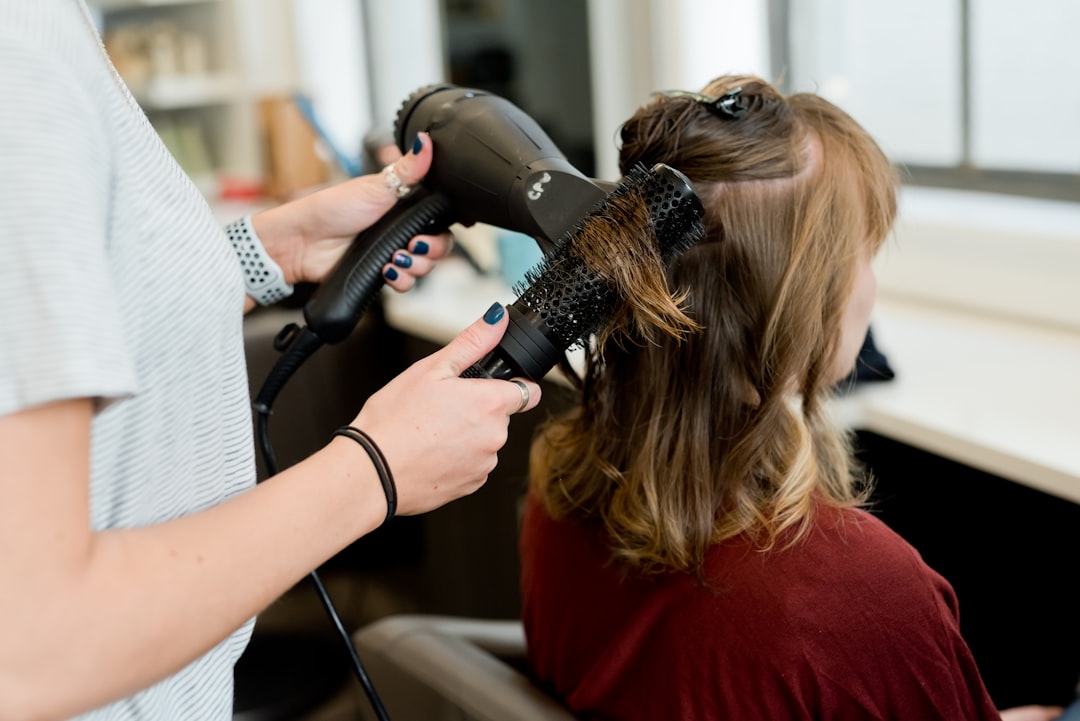
Excessive heat is another major stressor. Daily use of flat irons, curling wands, and blow dryers on high heat can scorch the scalp, dry out the follicle opening, and weaken the new hair growing underneath. Try to limit heat styling to two or three times a week, always use a heat protectant, and keep tools on a low to medium setting. When you can, let your hair air dry.
Harsh hair care habits also take a toll. Scrubbing your scalp too aggressively with nails, overwashing with sulfate-heavy shampoos, or overusing dry shampoo can clog and irritate follicles. Instead, wash with lukewarm water, massage your scalp gently with your fingertips, and choose a gentle, sulfate-free cleanser. Aim to clarify product buildup once a week rather than letting it accumulate.
Finally, internal habits matter just as much. Poor nutrition, chronic stress, lack of sleep, and constantly touching or picking at your scalp can disrupt the growth cycle and starve follicles of the nutrients they need. Breaking these patterns starts with small, consistent changes: eating a protein and vitamin-rich diet, managing stress through movement or mindfulness, getting seven to eight hours of sleep, and keeping your hands away from your scalp. By replacing these damaging routines with gentler alternatives, you give your follicles the calm, nourished environment they need to produce stronger, healthier hair.
11. How Stress, Hormones, and Sleep Affect Hair Growth
You might be eating all the right foods and using the best hair products, but if your stress levels are high, your hormones are out of balance, or you are not getting enough sleep, your hair will still struggle to grow. These three factors are deeply connected and have a direct impact on the health of your follicles.
When you are stressed, your body produces more cortisol. High levels of cortisol can push a large number of hair follicles into the resting phase prematurely, a condition known as telogen effluvium, which leads to increased shedding a few months later. Chronic stress also constricts blood vessels, which reduces the flow of oxygen and nutrients to the scalp, essentially starving your follicles.
Hormones play an equally powerful role. Estrogen helps keep hair in its growth phase longer, which is why many women notice thicker, fuller hair during pregnancy and increased shedding postpartum or during menopause when estrogen drops. Androgens like DHT, a derivative of testosterone, can shrink hair follicles over time, leading to thinning and pattern hair loss in both men and women. Thyroid hormones also regulate your metabolism and hair growth cycle, so an underactive or overactive thyroid often shows up first as dry, brittle hair or excessive shedding.
Sleep is when your body repairs and regenerates, and that includes your hair. During deep sleep, growth hormone is released and cell turnover increases, which is essential for building new hair cells in the follicle. Poor or insufficient sleep raises cortisol, disrupts hormone regulation, and impairs the body’s ability to absorb and utilize the proteins, vitamins, and minerals your hair needs to grow strong. Without consistent, quality sleep, your follicles simply do not get the recovery time they need to function at their best.
In short, healthy hair growth is not just about what you put on your scalp, but also about how you manage your internal balance. Reducing stress through regular movement, mindfulness, or time outdoors, supporting hormonal health with proper nutrition and medical guidance when needed, and prioritizing seven to nine hours of quality sleep each night will create the ideal internal environment for your follicles to thrive.
12. Creating Your Weekly Routine for Healthy Follicles and Stronger Hair
Consistency is what turns good hair habits into real results, so building a simple weekly routine is the key to keeping your follicles healthy and your growth strong. Start by setting aside two to three wash days per week, depending on your hair type and lifestyle. On wash days, use a gentle, sulfate-free shampoo to cleanse buildup without stripping your scalp’s natural oils, followed by a nourishing conditioner focused on your mid-lengths and ends. Once a week, treat your scalp to a deeper level of care with a clarifying treatment or gentle exfoliation to unclog follicles and remove dead skin and product residue, then follow with a hydrating scalp serum or light oil massaged in with your fingertips to stimulate circulation.
In between washes, keep your routine low-maintenance but intentional. A nightly scalp massage for three to five minutes can boost blood flow to the roots, while a lightweight leave-in treatment with ingredients like biotin, peptides, or rosemary can keep follicles nourished without weighing hair down. Try to limit heat styling to once a week and always use a heat protectant when you do, and sleep on a silk or satin pillowcase to reduce friction and breakage.
Finally, support your routine from the inside out. Stay hydrated, eat protein-rich foods and vitamins that support hair health like zinc, iron, and vitamins A, C, D, and E, and aim for consistent sleep. By repeating this balanced cycle of cleanse, nourish, protect, and stimulate each week, you create the ideal environment for healthy follicles to thrive and stronger, fuller hair to grow.
We hope you enjoyed our guide to nourishing your roots for stronger, healthier hair. As we’ve explored, truly vibrant hair starts deep within the follicle, and with the right balance of scalp care, nutrition, and gentle daily habits, you can create the perfect foundation for growth. Remember that consistency is key and healthy changes take time to show, so be patient with your journey. Try incorporating these tips into your routine and you’ll be on your way to stronger, shinier, and more resilient hair from the roots up.
——————————