
Men's Vitality & Performance
Foods That Increase Nitric Oxide Naturally
Your body makes nitric oxide from what you eat. Here are the foods that supply the raw materials, the amounts that matter, and the habits that quietly work against you.
By The VitoAid Wellness Team · September 22, 2026 · 8 min read
Quick answer
What this means for your routine
Your body makes nitric oxide from what you eat. Here are the foods that supply the raw materials, the amounts that matter, and the habits that quietly work against you.
A relevant option from VitoAid
A practical next step for men comparing daily vitality, drive and stamina formulas.
See Max Boost detailsReview the full label, directions, pricing and purchase options before ordering.

In this guide
Nitric oxide is the molecule that helps your blood vessels relax and widen. You do not eat it directly — your body makes it, and food supplies the raw materials through two routes: dietary nitrates from vegetables, and the amino acid arginine from protein. This is the food-first guide to both.
The nitrate route: vegetables do the heavy lifting
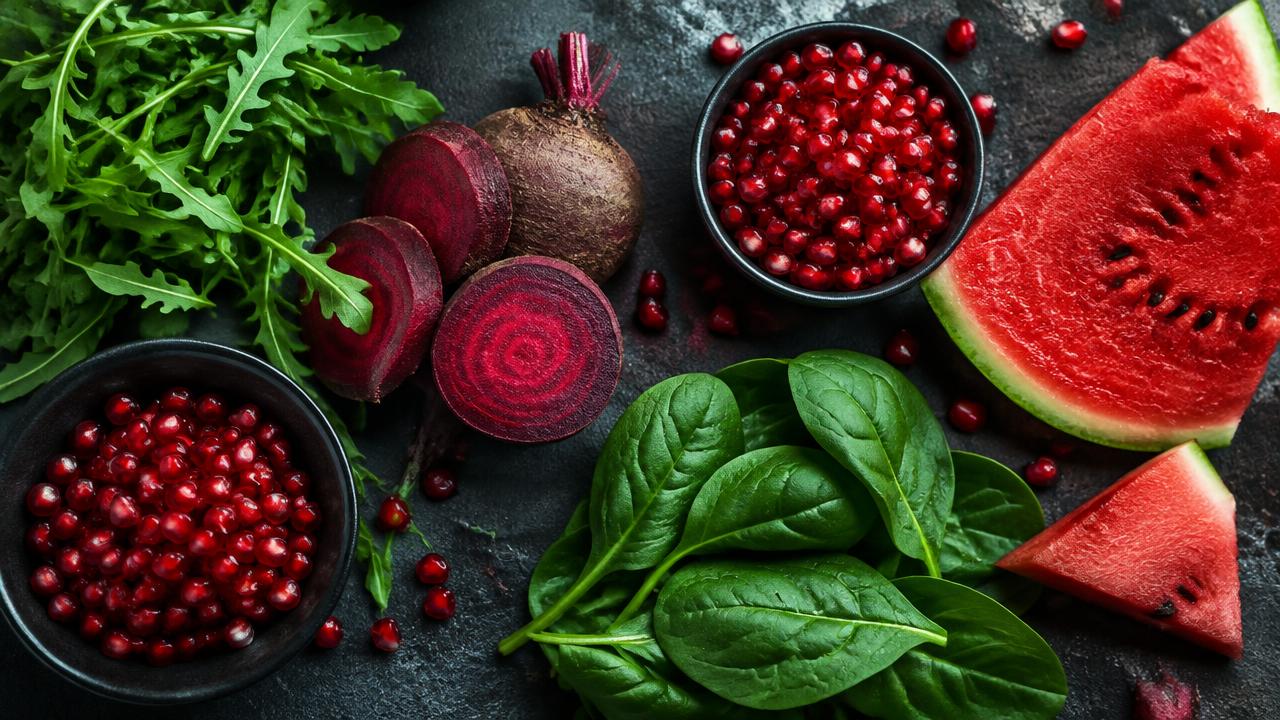
Nitrate-rich vegetables are converted by bacteria in your mouth to nitrite, and then in the body to nitric oxide. This pathway works independently of the amino acid route, and it is the one with the strongest food research behind it.
| Food | Nitrate level | Easy way to eat it |
|---|---|---|
| Rocket (arugula) | Very high | A handful in any salad or on a sandwich |
| Beetroot and beet juice | Very high | Roasted, grated raw, or a small glass of juice |
| Spinach | High | Wilted into eggs, pasta or a curry |
| Lettuce (butterhead, cos) | High | The base of a daily side salad |
| Celery | High | Raw sticks, or juiced with apple |
| Radish and turnip | Moderate–high | Sliced raw for crunch |
| Chinese cabbage, kale, chard | Moderate | Stir-fried or in soup |
The arginine and citrulline route
- Watermelon — the best-known food source of citrulline.
- Nuts and seeds, especially walnuts, almonds and pumpkin seeds.
- Poultry, fish, red meat and dairy — the everyday arginine sources.
- Chickpeas, lentils and soy for plant-based eaters.
Supporting foods worth adding
- Pomegranate and dark berries, for polyphenols that support vascular health.
- Citrus fruit — vitamin C contributes to the protection of cells from oxidative stress.
- Dark chocolate with high cocoa content, in sensible amounts.
- Garlic, a traditional staple in circulation-focused eating patterns.
What quietly works against you
- 1Antibacterial mouthwash: it wipes out the mouth bacteria that start the nitrate conversion. If you are eating for this pathway, do not rinse right after.
- 2Smoking, which is the single biggest antagonist of healthy vessel function.
- 3A diet built on ultra-processed food with almost no vegetables.
- 4Being sedentary — movement itself stimulates the pathway.
A realistic daily pattern
- One large handful of leafy greens each day, rocket or spinach for preference.
- Beetroot two or three times a week, roasted or juiced.
- A portion of fruit with colour: watermelon, pomegranate or berries.
- Protein at every meal for the arginine side of the equation.
- Thirty minutes of brisk walking or training most days.
Where a supplement fits
Food first, always. A supplement is for the days the vegetables do not happen, or for men who want circulation support alongside the botanicals traditionally used for drive and stamina. It is a convenience layer on a good diet, not a substitute for one, and it is not a treatment for any medical condition.
Frequently asked questions
Which food increases nitric oxide the most?
Rocket (arugula) and beetroot are the highest in dietary nitrate, the raw material your body converts into nitric oxide. Spinach, lettuce and celery are close behind.
How long does it take for nitrate-rich food to have an effect?
The conversion happens within a few hours of eating, which is why people who use beet juice around training take it roughly two to three hours beforehand. The broader benefit comes from eating this way consistently.
Does mouthwash really reduce nitric oxide?
Antibacterial mouthwash kills the mouth bacteria that convert dietary nitrate to nitrite, which is the first step in this pathway. If you are eating specifically for it, avoid rinsing straight after a nitrate-rich meal.
Is beetroot juice better than eating beetroot?
Juice concentrates the nitrate into a smaller volume, which is why it is popular before training. Whole beetroot gives you the fibre as well. Both work.
Do I still need a supplement if I eat these foods?
No. A good diet covers this. Supplements are a convenience layer for men who also want the botanicals traditionally used for drive, energy and stamina in the same daily serving.

